
Lesson plan
A practical lesson plan for translating haircut reference photos
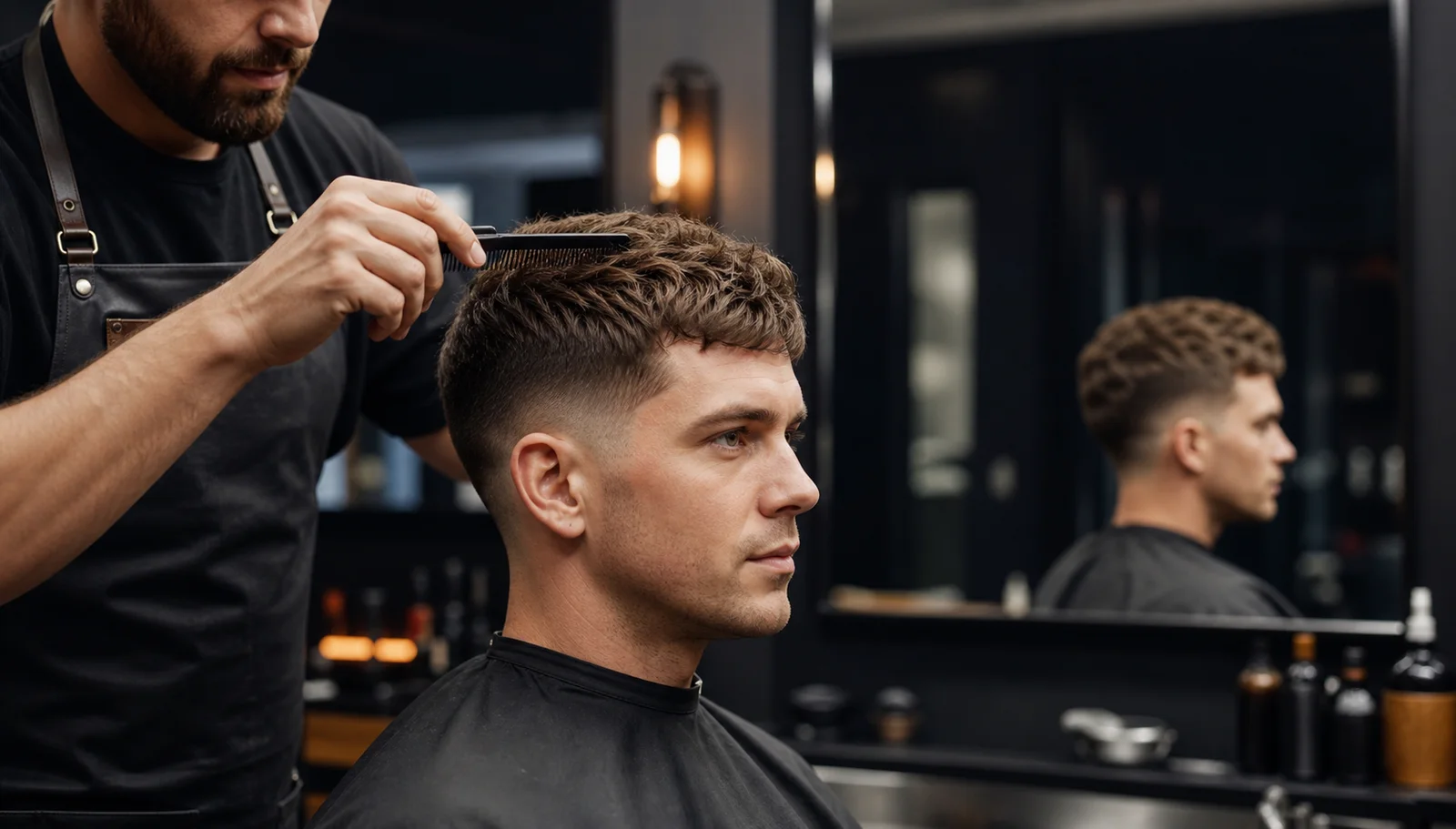
A reference photo communicates preference, but lighting, styling, density and head shape mean it cannot be copied literally. The goal is to identify which features the client likes and adapt those features to the person in the chair.
Quick answer
What to remember.
- The goal is to identify which features the client likes and adapt those features to the person in the chair.
- Ask what specifically attracts the client to the image.
- Use respectful language when discussing physical differences and avoid claims outside the barber’s expertise.
- Careful translation protects the client’s intent while setting expectations that the real haircut can meet.
Set one observable lesson outcome
A reference photo communicates preference, but lighting, styling, density and head shape mean it cannot be copied literally. The goal is to identify which features the client likes and adapt those features to the person in the chair.
Write the outcome as something a trainer can see or hear. Avoid goals such as “understand it better”; name the movement, decision, sequence or finished feature the learner should reproduce.
Demonstrate the decision as well as the action
The trainer should name what they are looking at, which option they choose and how they will know when to stop. The learner then repeats the decision before copying the movement.
- Ask what specifically attracts the client to the image.
- Separate shape, length, texture, finish and styling.
- Compare visible density and growth differences honestly.
- Agree on an adapted result rather than promising a replica.
Move from guided to independent practice
Begin with this controlled exercise: Choose three varied reference images and write an adaptation brief covering shape, likely tools, maintenance and limitations for a sample client.
Watch specifically for Assuming the client wants every feature in the image.; Ignoring product, blow-drying or image retouching.; Using the photo as the only consultation evidence.. Correct one cause at a time so the learner can connect the change with the result.
Close with evidence and a next action
Use respectful language when discussing physical differences and avoid claims outside the barber’s expertise. End the lesson by recording one success, one priority and the exact condition for the next attempt.
- The desired features are named separately.
- Differences are explained with practical alternatives.
- The agreed plan is specific enough to verify at the end.
Sydney training context
How this topic fits into Sydney barber school training
When reviewing a Sydney barber school, turn a practical lesson plan for translating haircut reference photos into a provider question rather than accepting a broad promise. Find out who teaches it, how often students repeat it and how the result is reviewed.
The phrase “best barber school” is not an objective accreditation or a guaranteed outcome. The best choice for someone who wants to learn practical barbering skills depends on program status, supervised practice, trainer feedback, safety, total cost and fit with their intended pathway.
A barber academy in Sydney should describe its program status honestly, explain its safety boundaries and show how trainer feedback changes a learner’s next attempt.
For a transparent example, review The Guild's private barber training program in Sydney, including its curriculum, A$5,000 fee and non-accredited status.
The Guild
Build the skill through corrected repetition.
Explore The Guild’s private 12-week curriculum and see how practical lessons, feedback and supervised training fit together.
View the curriculum →