
Common mistakes
Common translating haircut reference photos mistakes and how to correct them
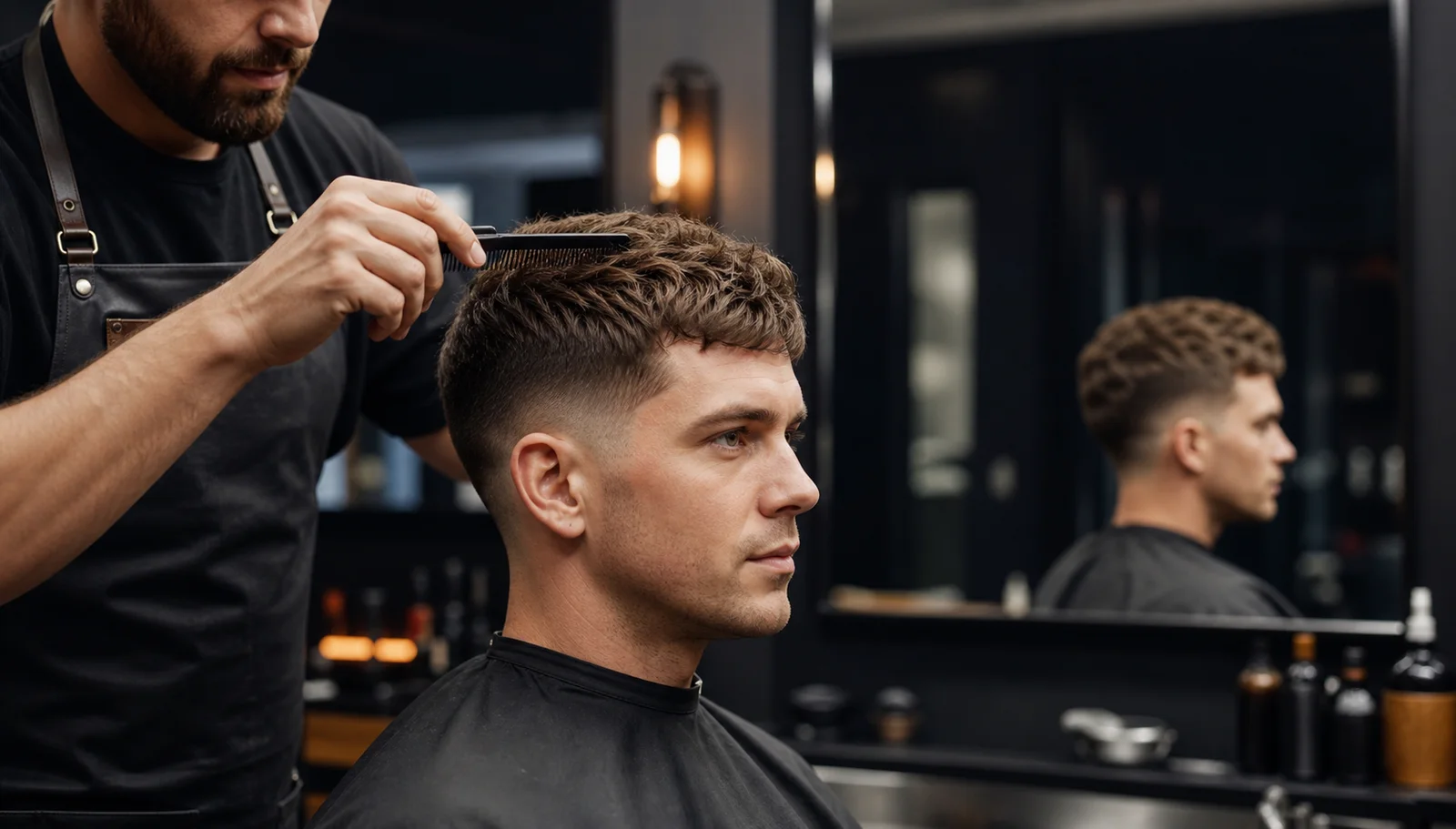
A reference photo communicates preference, but lighting, styling, density and head shape mean it cannot be copied literally. The goal is to identify which features the client likes and adapt those features to the person in the chair.
Quick answer
What to remember.
- The goal is to identify which features the client likes and adapt those features to the person in the chair.
- Ask what specifically attracts the client to the image.
- Use respectful language when discussing physical differences and avoid claims outside the barber’s expertise.
- Careful translation protects the client’s intent while setting expectations that the real haircut can meet.
Diagnose before you correct
A reference photo communicates preference, but lighting, styling, density and head shape mean it cannot be copied literally. When the result is off, return to the first point where the process stopped matching the plan.
Do not make a broad correction simply because an area looks wrong. Name the visible evidence, identify the likely variable and test the smallest safe change.
Three mistakes to watch for
These problems often come from a decision or setup issue rather than a lack of effort.
- Assuming the client wants every feature in the image.
- Ignoring product, blow-drying or image retouching.
- Using the photo as the only consultation evidence.
Reset the process
Return to these anchors: Ask what specifically attracts the client to the image. Separate shape, length, texture, finish and styling. Compare visible density and growth differences honestly. Agree on an adapted result rather than promising a replica.
Choose three varied reference images and write an adaptation brief covering shape, likely tools, maintenance and limitations for a sample client. Compare the next attempt with the same viewing angle, timing and criterion.
Know when to stop and ask
Use respectful language when discussing physical differences and avoid claims outside the barber’s expertise. A trainer should be involved when the learner cannot explain the cause, the remaining material will not support another correction or client comfort changes.
Careful translation protects the client’s intent while setting expectations that the real haircut can meet.
Sydney training context
How this topic fits into Sydney barber school training
Someone choosing a Sydney barber school can use this guide to ask better questions about common translating haircut reference photos mistakes and how to correct them. The provider should be able to describe the learning sequence, trainer support and limits around client work.
The phrase “best barber school” is not an objective accreditation or a guaranteed outcome. The best choice for someone who wants to learn practical barbering skills depends on program status, supervised practice, trainer feedback, safety, total cost and fit with their intended pathway.
If your aim is to learn barbering in Sydney, connect each course claim to an observable learning condition: practice time, model suitability, individual correction and realistic progression.
For a transparent example, review The Guild's private barber training program in Sydney, including its curriculum, A$5,000 fee and non-accredited status.
The Guild
Build the skill through corrected repetition.
Explore The Guild’s private 12-week curriculum and see how practical lessons, feedback and supervised training fit together.
View the curriculum →