
Common mistakes
Common fringe and texture refinement mistakes and how to correct them
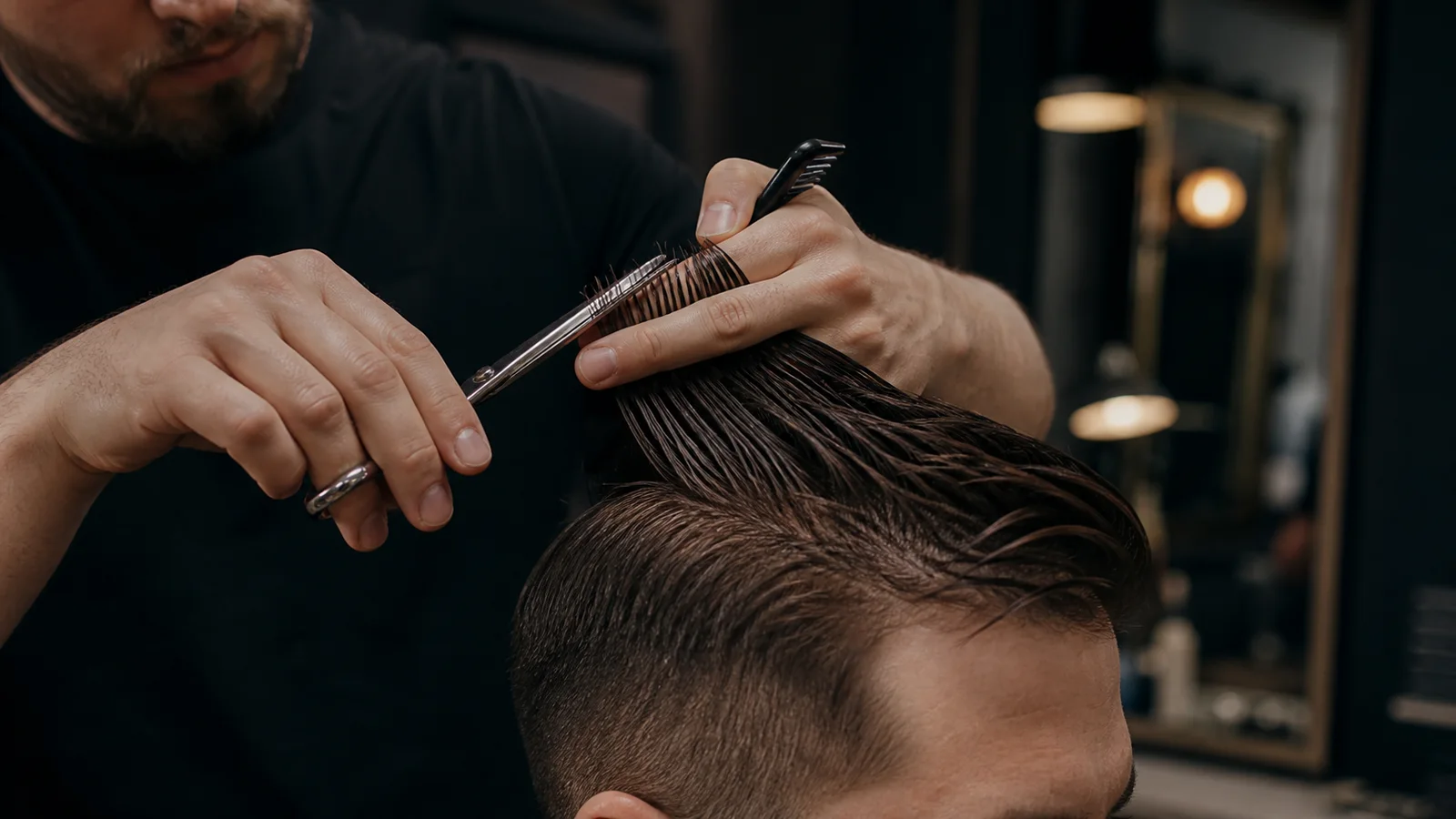
Fringe and texture refinement adjust the final line, movement and weight around the most visible part of the haircut. The goal is to make small changes after the hair has been assessed in its natural fall and likely styling pattern.
Quick answer
What to remember.
- The goal is to make small changes after the hair has been assessed in its natural fall and likely styling pattern.
- Confirm dry length and shrinkage before cutting.
- Control scissor direction around the eyes and face, and keep loose hair away from the client’s eyes.
- Thoughtful fringe work frames the face and gives the client a result they can reproduce at home.
Diagnose before you correct
Fringe and texture refinement adjust the final line, movement and weight around the most visible part of the haircut. When the result is off, return to the first point where the process stopped matching the plan.
Do not make a broad correction simply because an area looks wrong. Name the visible evidence, identify the likely variable and test the smallest safe change.
Three mistakes to watch for
These problems often come from a decision or setup issue rather than a lack of effort.
- Cutting a wet fringe to the final desired dry length.
- Texturising repeatedly without checking density.
- Trying to force a cowlick into a line it will not hold.
Reset the process
Return to these anchors: Confirm dry length and shrinkage before cutting. Match the line to growth direction and styling routine. Use point, channel or blunt cutting only for a defined reason. Refine gradually and reassess after movement.
Create three fringe samples on practice sections using blunt, point and softened approaches, then compare movement and apparent density when dry. Compare the next attempt with the same viewing angle, timing and criterion.
Know when to stop and ask
Control scissor direction around the eyes and face, and keep loose hair away from the client’s eyes. A trainer should be involved when the learner cannot explain the cause, the remaining material will not support another correction or client comfort changes.
Thoughtful fringe work frames the face and gives the client a result they can reproduce at home.
Sydney training context
How this topic fits into Sydney barber school training
People researching a Sydney barber school should look beyond a course outline and ask how common fringe and texture refinement mistakes and how to correct them is taught in practice. A useful answer should explain the demonstration, supervised repetition, feedback and evidence of progress.
The phrase “best barber school” is not an objective accreditation or a guaranteed outcome. The best choice for someone who wants to learn practical barbering skills depends on program status, supervised practice, trainer feedback, safety, total cost and fit with their intended pathway.
Barber training in Sydney can include apprenticeships, nationally recognised study and private skills programs. Those pathways have different status and should be compared using current, written information.
For a transparent example, review The Guild's private barber training program in Sydney, including its curriculum, A$5,000 fee and non-accredited status.
The Guild
Build the skill through corrected repetition.
Explore The Guild’s private 12-week curriculum and see how practical lessons, feedback and supervised training fit together.
View the curriculum →