
Trainer checklist
Face shape and proportion trainer checklist
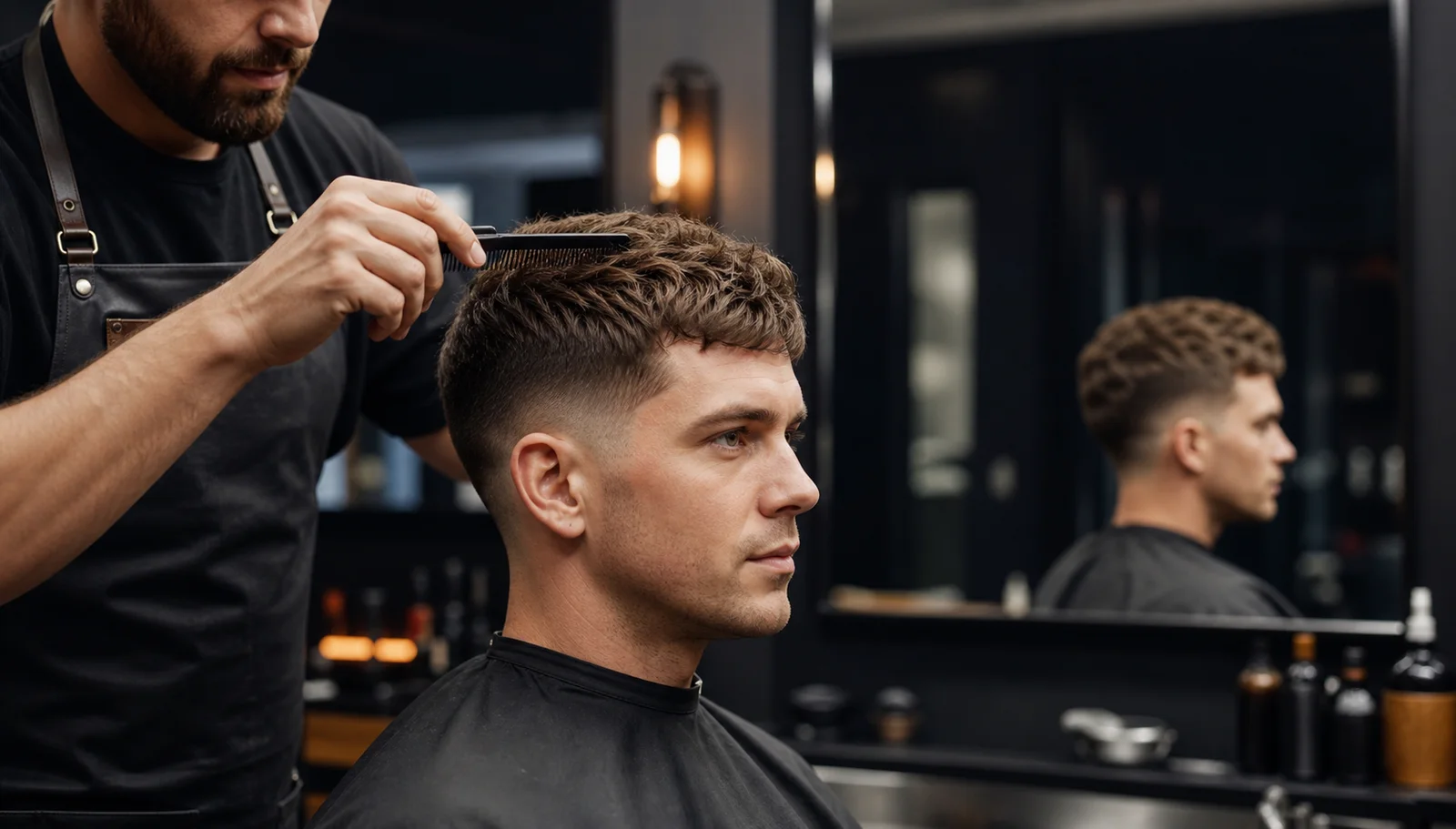
Proportion analysis helps a barber understand how width, height, volume and outline will interact with the client’s features. The goal is to use observation as a design tool without reducing a person to a rigid face-shape rule.
Quick answer
What to remember.
- The goal is to use observation as a design tool without reducing a person to a rigid face-shape rule.
- Observe the complete head, profile and existing hair behaviour.
- Use respectful, neutral language and avoid comments that could shame appearance or imply a medical judgement.
- Proportion-aware choices help clients understand why a proposed shape may support their preferred look.
Before the attempt
Confirm the learner can state the goal: The goal is to use observation as a design tool without reducing a person to a rigid face-shape rule.
Check that the task, tools, model, time and supervision match the learner’s current level. Ask the learner to point out the stop conditions before beginning.
During the attempt
Observe the sequence and decision-making rather than waiting only for the final result. Use these points as prompts:
- Observe the complete head, profile and existing hair behaviour.
- Consider where added or removed weight changes visual balance.
- Use the client’s preference as the primary design constraint.
- Offer options rather than declaring one universally correct shape.
When to intervene
Intervene early for safety or consent concerns. For technical learning, watch for Forcing every client into a named geometric category.; Ignoring profile and head shape while analysing only the front.; Presenting subjective design advice as a defect correction.. Ask what the learner sees before supplying the answer.
Use respectful, neutral language and avoid comments that could shame appearance or imply a medical judgement.
After the attempt
Use the same viewing conditions and ask the learner to identify evidence first. Proportion-aware choices help clients understand why a proposed shape may support their preferred look.
- The recommendation connects a design choice to an observable effect.
- At least two viable options are discussed.
- The client’s stated preference remains central.
Sydney training context
How this topic fits into Sydney barber school training
If you are comparing a Sydney barber school, use face shape and proportion trainer checklist as a concrete quality check. Ask how this consultation & haircut design subject is demonstrated, practised, corrected and assessed before you enrol.
The phrase “best barber school” is not an objective accreditation or a guaranteed outcome. The best choice for someone who wants to learn practical barbering skills depends on program status, supervised practice, trainer feedback, safety, total cost and fit with their intended pathway.
People searching for a barber course in Sydney should compare the written curriculum, training status, supervised floor time, class size, total cost and next pathway—not only the headline duration.
For a transparent example, review The Guild's private barber training program in Sydney, including its curriculum, A$5,000 fee and non-accredited status.
The Guild
Build the skill through corrected repetition.
Explore The Guild’s private 12-week curriculum and see how practical lessons, feedback and supervised training fit together.
View the curriculum →