
Lesson plan
A practical lesson plan for shave preparation and aftercare
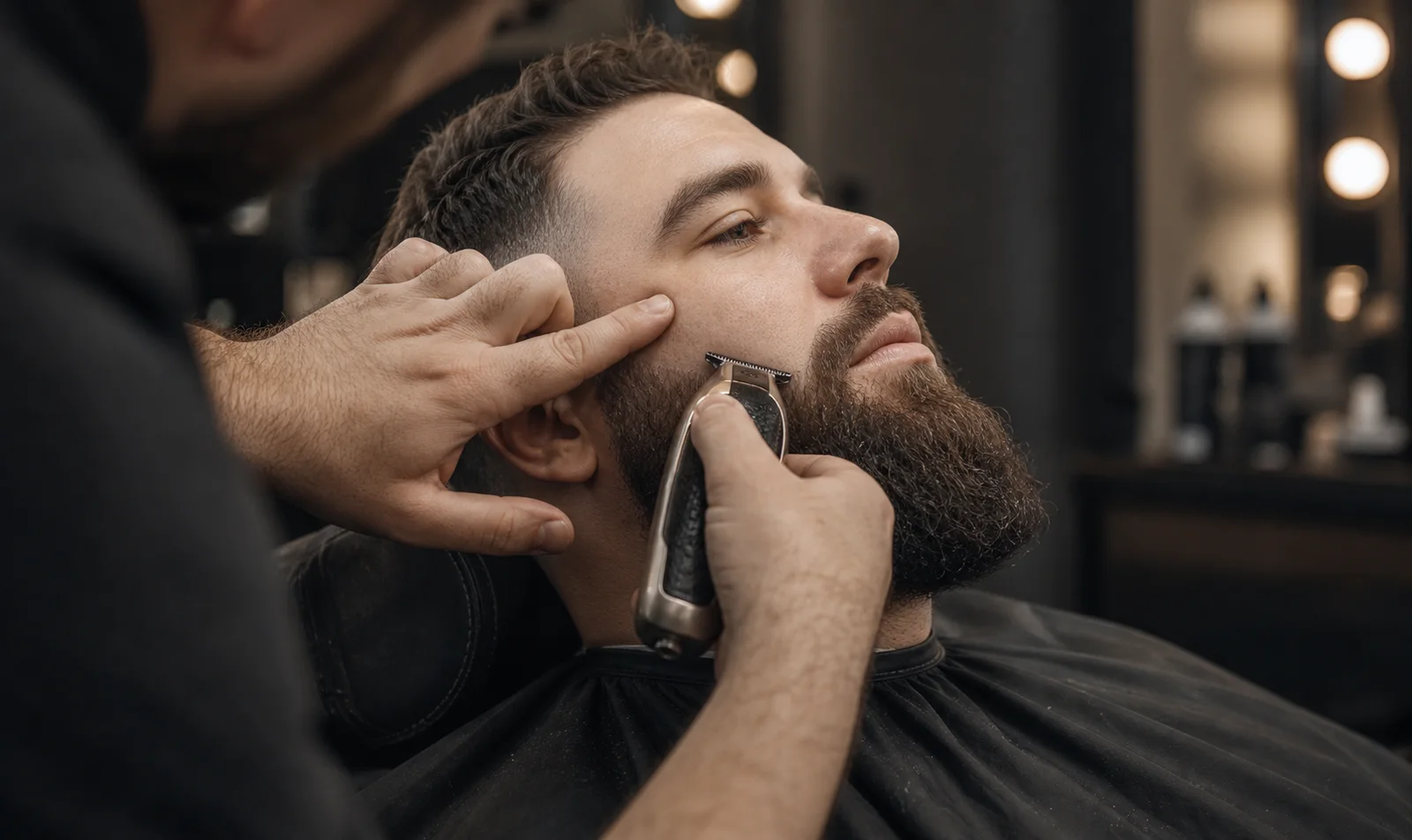
Preparation and aftercare influence comfort, glide and the condition of the skin before and after a shaving service. The goal is to assess suitability, prepare methodically, use hygienic technique and give realistic aftercare guidance.
Quick answer
What to remember.
- The goal is to assess suitability, prepare methodically, use hygienic technique and give realistic aftercare guidance.
- Consult about skin sensitivity, recent treatments and known concerns.
- Shaving involves sharp tools and skin contact; train under appropriate supervision and follow current workplace, manufacturer and public-health guidance.
- Consistent preparation and aftercare make the service feel considered and reduce avoidable discomfort.
Set one observable lesson outcome
Preparation and aftercare influence comfort, glide and the condition of the skin before and after a shaving service. The goal is to assess suitability, prepare methodically, use hygienic technique and give realistic aftercare guidance.
Write the outcome as something a trainer can see or hear. Avoid goals such as “understand it better”; name the movement, decision, sequence or finished feature the learner should reproduce.
Demonstrate the decision as well as the action
The trainer should name what they are looking at, which option they choose and how they will know when to stop. The learner then repeats the decision before copying the movement.
- Consult about skin sensitivity, recent treatments and known concerns.
- Use clean materials and follow workplace infection-control procedures.
- Prepare hair and skin according to the service method and product directions.
- Explain simple aftercare and signs that warrant professional advice.
Move from guided to independent practice
Begin with this controlled exercise: Rehearse the complete service setup, consultation, product sequence and disposal process without a blade before supervised model work.
Watch specifically for Treating every skin type with the same preparation.; Reusing or cross-contaminating single-use items.; Making repeated passes over irritated areas.. Correct one cause at a time so the learner can connect the change with the result.
Close with evidence and a next action
Shaving involves sharp tools and skin contact; train under appropriate supervision and follow current workplace, manufacturer and public-health guidance. End the lesson by recording one success, one priority and the exact condition for the next attempt.
- The setup and disposal sequence has no cross-contamination gap.
- Product choices can be explained for the model’s needs.
- The student stops or modifies the plan when the skin response changes.
Sydney training context
How this topic fits into Sydney barber school training
When reviewing a Sydney barber school, turn a practical lesson plan for shave preparation and aftercare into a provider question rather than accepting a broad promise. Find out who teaches it, how often students repeat it and how the result is reviewed.
The phrase “best barber school” is not an objective accreditation or a guaranteed outcome. The best choice for someone who wants to learn practical barbering skills depends on program status, supervised practice, trainer feedback, safety, total cost and fit with their intended pathway.
A barber academy in Sydney should describe its program status honestly, explain its safety boundaries and show how trainer feedback changes a learner’s next attempt.
For a transparent example, review The Guild's private barber training program in Sydney, including its curriculum, A$5,000 fee and non-accredited status.
The Guild
Build the skill through corrected repetition.
Explore The Guild’s private 12-week curriculum and see how practical lessons, feedback and supervised training fit together.
View the curriculum →