
Client experience
How bulk removal and debulking improves the client experience
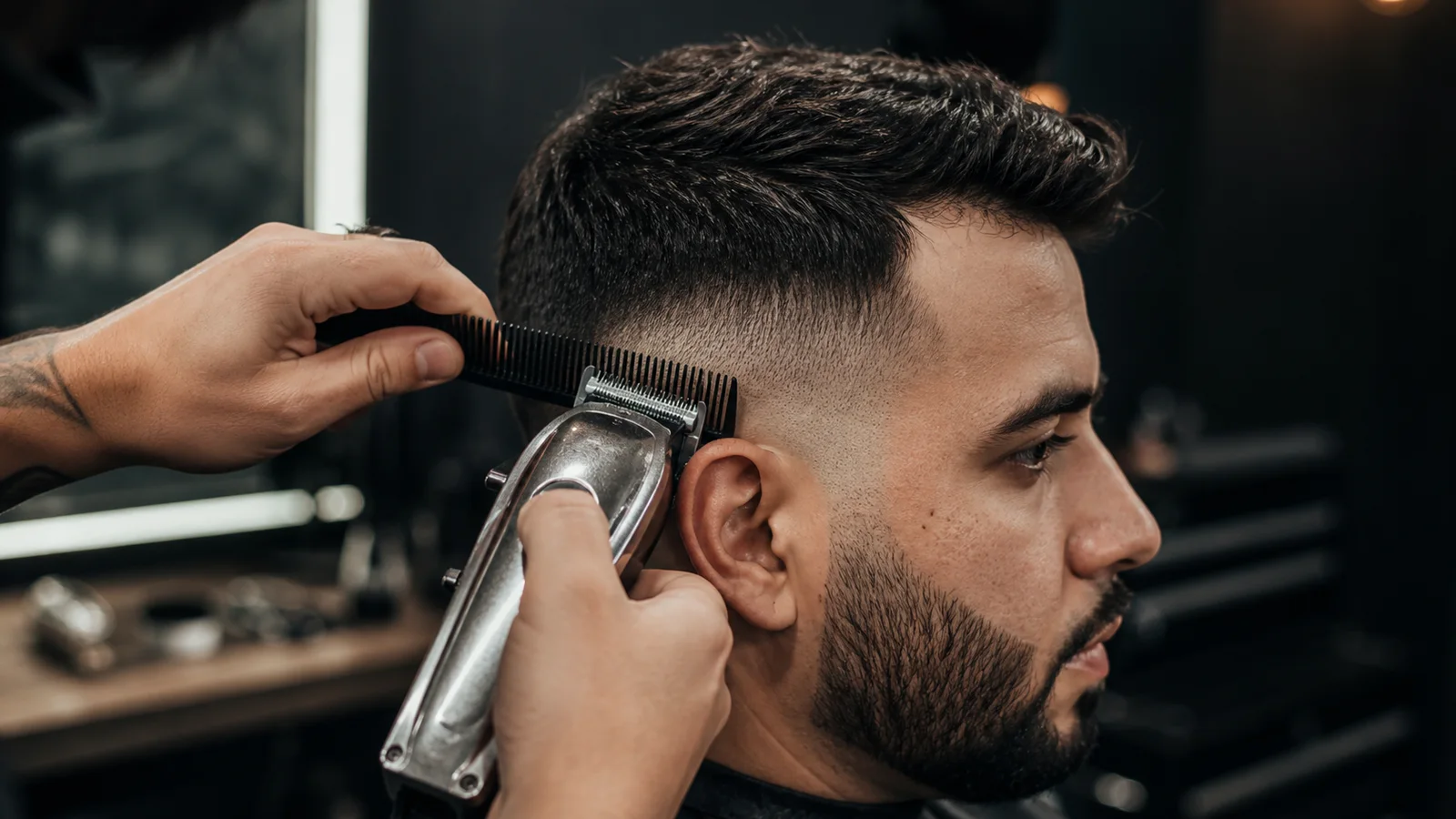
Debulking creates a workable foundation by reducing excess length and weight before detailed blending or shape refinement. The goal is to remove only what the final design does not need and leave a clear, even surface for the next technique.
Quick answer
What to remember.
- The goal is to remove only what the final design does not need and leave a clear, even surface for the next technique.
- Establish the target length and silhouette first.
- Check guards are seated securely and keep blades cool, clean and away from irritated skin.
- Measured debulking makes the service more comfortable and protects the final style from unnecessary thin areas.
The client value behind the technique
Measured debulking makes the service more comfortable and protects the final style from unnecessary thin areas.
Debulking creates a workable foundation by reducing excess length and weight before detailed blending or shape refinement. The client may not use the technical vocabulary, but they experience the result through comfort, clarity and how the work performs after leaving the shop.
Set expectations before the work
Explain the part of the plan affected by bulk removal and debulking in plain language. The goal is to remove only what the final design does not need and leave a clear, even surface for the next technique.
Confirm what the client will see, feel or need to maintain, and invite questions before a decision becomes irreversible.
Protect comfort during the service
Check guards are seated securely and keep blades cool, clean and away from irritated skin.
Check in at meaningful moments without making the client responsible for technical supervision. If the plan changes, explain the reason and obtain agreement.
- Establish the target length and silhouette first.
- Work in organised zones rather than random passes.
- Keep tool angle consistent over head contours.
- Reassess density before making a second heavy pass.
Finish with a useful handover
Show the result using the same words used during consultation. Review these quality signals: The foundation reads even before detail work.; Required weight remains at the ridge and perimeter.; Later blending needs local correction rather than broad repair..
Give only the maintenance information that matters for this client, and record relevant preferences with appropriate permission.
Sydney training context
How this topic fits into Sydney barber school training
People researching a Sydney barber school should look beyond a course outline and ask how how bulk removal and debulking improves the client experience is taught in practice. A useful answer should explain the demonstration, supervised repetition, feedback and evidence of progress.
The phrase “best barber school” is not an objective accreditation or a guaranteed outcome. The best choice for someone who wants to learn practical barbering skills depends on program status, supervised practice, trainer feedback, safety, total cost and fit with their intended pathway.
Barber training in Sydney can include apprenticeships, nationally recognised study and private skills programs. Those pathways have different status and should be compared using current, written information.
For a transparent example, review The Guild's private barber training program in Sydney, including its curriculum, A$5,000 fee and non-accredited status.
The Guild
Build the skill through corrected repetition.
Explore The Guild’s private 12-week curriculum and see how practical lessons, feedback and supervised training fit together.
View the curriculum →